By 2026, the landscape of cross-border logistics in Southeast Asia has undergone a radical transformation. Driven by the maturation of the Regional Comprehensive Economic Partnership (RCEP) and accelerated infrastructure investments, Vietnam stands at the nexus of efficient, high-velocity trade corridors. For supply chain directors and business owners, navigating this evolved ecosystem requires looking beyond traditional sea freight and embracing the fluidity of modern land and rail networks.
The Rise of Integrated Multi-Modal Transport Networks
Gone are the days when cross-border trucking was solely a niche solution for urgent shipments. In 2026, we see a fully integrated multi-modal system that seamlessly connects road, rail, and sea. The most significant development is the operational maturity of the Pan-Asian Railway network components linking Vietnam, Laos, and China.
This connectivity has drastically reduced transit times. Goods that previously took weeks via ocean freight to reach inland China or Western Europe are now moving via rail-road combinations in a fraction of the time. For Vietnamese exporters, this means faster access to raw materials from the north and quicker delivery of finished goods to global markets.

The China-Indochina Peninsula Economic Corridor
Specifically, the corridor spanning Nanning-Hanoi-Haiphong has become a model for efficiency. Improvements in highway infrastructure and the expansion of border gate capacities at Huu Nghi and Tan Thanh have alleviated the historic bottlenecks of the early 2020s. In 2026, this route serves as the lifeline for the electronics and agricultural sectors, offering a reliable alternative to the volatility of maritime shipping lanes.
Digital Customs and the Era of “Smart Borders”
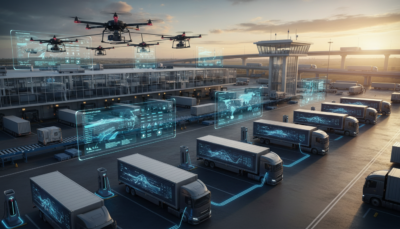
One of the biggest friction points in cross-border logistics—customs clearance—has been smoothed out by technology. By 2026, the implementation of the ASEAN Single Window (ASW) has reached new heights of interoperability. Blockchain-enabled documentation allows for real-time data sharing between Vietnam and its trading partners, effectively creating “Smart Borders.”
Automated clearance processes mean that compliant businesses enjoy “Green Lane” priority, where AI-driven risk management systems pre-clear cargo before it even arrives at the frontier. For logistics managers, this necessitates a shift towards full digital compliance and data transparency to maintain competitive lead times.
Sustainability: The Green Logistics Mandate
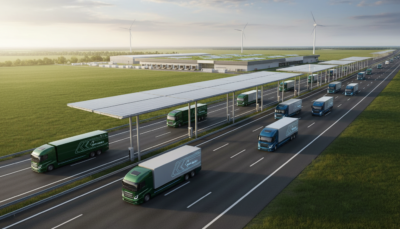
In 2026, sustainability is no longer optional; it is a regulatory requirement and a competitive differentiator. Cross-border fleets are increasingly electrified or powered by hydrogen fuel cells. The “Green Logistics” initiatives adopted by Vietnam and neighboring nations incentivize low-carbon transport modes.

Shippers are now selecting logistics partners not just based on cost and speed, but on carbon footprint visibility. Using rail transport for the long-haul leg of cross-border journeys is becoming the standard strategy for companies aiming to meet strict ESG (Environmental, Social, and Governance) targets set by European and North American buyers.
Strategic Imperatives for Vietnamese Enterprises
To capitalize on these new trade corridors, businesses must adapt their supply chain strategies:
- Diversify Transport Modes: Do not rely on a single mode of transport. A hybrid approach utilizing road for flexibility and rail for volume is key to resilience.
- Invest in Digital Visibility: Utilize platforms that integrate with customs APIs to ensure seamless document flow and real-time tracking.
- Leverage Free Trade Zones: utilize the expanding network of border economic zones to stage inventory closer to target markets, taking advantage of bonded warehousing facilities.
As we navigate 2026, the physical and digital barriers to trade are falling. For Vietnam, the ability to master these new cross-border mechanics will determine its continued success as a global manufacturing hub.