The logistics landscape is undergoing a seismic shift. As we navigate through 2026, the traditional models of road freight are being rapidly dismantled and rebuilt by the twin engines of Artificial Intelligence (AI) and the Internet of Things (IoT). For businesses relying on road transport, digital transformation is no longer a buzzword—it is the baseline for competitive survival.
In this post, we explore how AI-driven routing and real-time IoT tracking are revolutionizing road transport services, offering businesses faster, greener, and more transparent delivery solutions than ever before.
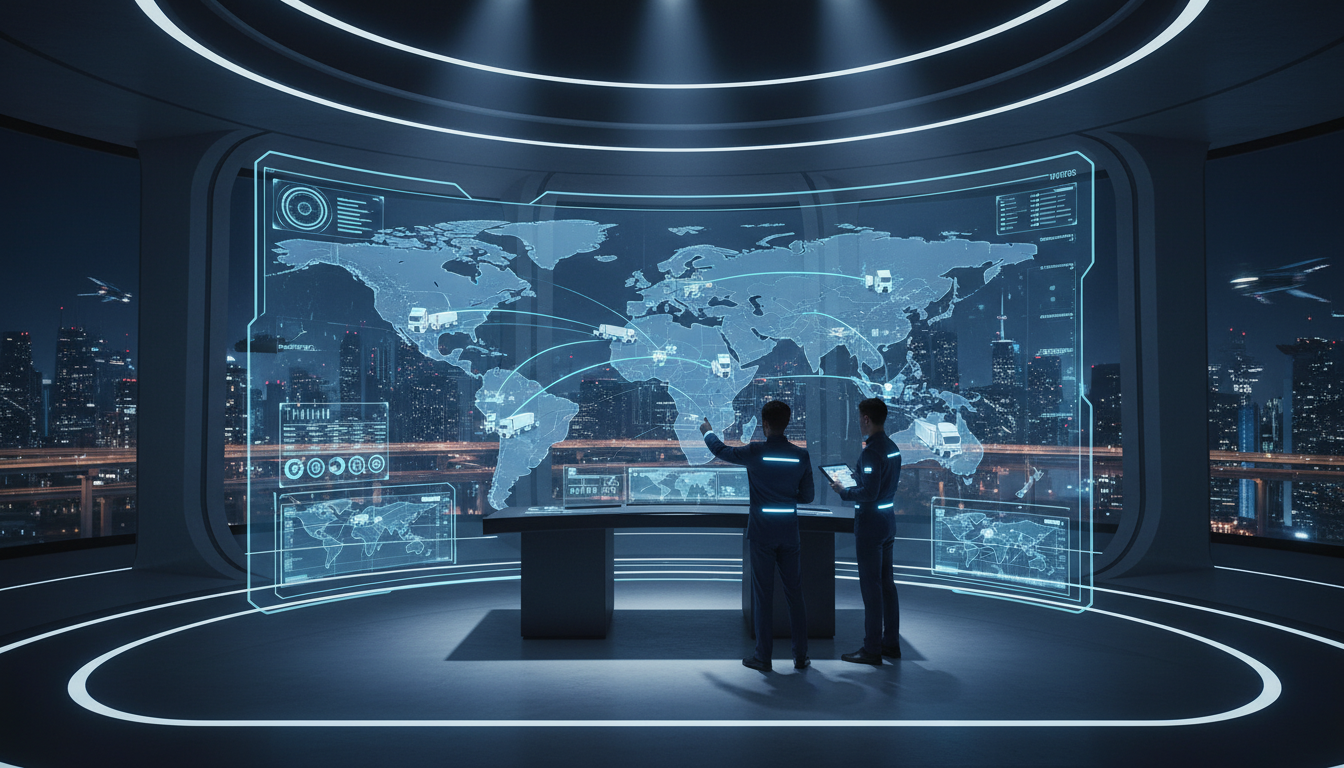
The Evolution of Smart Logistics in 2026
By 2026, the integration of digital technologies into supply chain management has matured from experimental pilots to full-scale standard operations. The friction that once plagued road freight—unpredictable delays, empty miles, and opaque cargo status—is being eliminated through data-centric strategies.
Digital transformation in road freight is essentially about visibility and optimization. It shifts the industry from a reactive stance (fixing problems after they happen) to a proactive one (predicting and preventing issues).
AI-Driven Routing: Beyond Simple GPS
The days of static route planning are over. AI-driven routing algorithms process vast amounts of historical and real-time data to optimize delivery paths dynamically. This goes far beyond standard GPS navigation.
Dynamic Optimization
Modern AI systems analyze traffic patterns, weather conditions, road closures, and even delivery window constraints in real-time. If an accident occurs on a major highway, the system instantly recalculates the most efficient alternative for the entire fleet, ensuring that delivery times remain unaffected.
Predictive Analytics
AI doesn’t just react to current traffic; it predicts it. By analyzing historical data trends for 2026, algorithms can forecast congestion peaks before they happen, allowing dispatchers to schedule departures that avoid bottlenecks entirely. This leads to significant reductions in fuel consumption and vehicle wear and tear.
The Power of Real-Time IoT Tracking
While AI optimizes the path, the Internet of Things (IoT) ensures total visibility of the asset. In 2026, “tracking” means much more than knowing where a truck is located.
Granular Visibility
IoT sensors attached to pallets and containers provide granular data. Stakeholders can monitor temperature, humidity, shock, and light exposure. For cold chain logistics or sensitive electronics, this transparency is invaluable. If a temperature threshold is breached, an alert is sent immediately, allowing for corrective action before the cargo is spoiled.
Enhanced Security and Trust
Real-time tracking builds immense trust between logistics providers and clients. Geofencing technologies ensure that if a truck deviates from its assigned AI-optimized route, the fleet manager is notified instantly, mitigating theft risks and ensuring driver compliance.
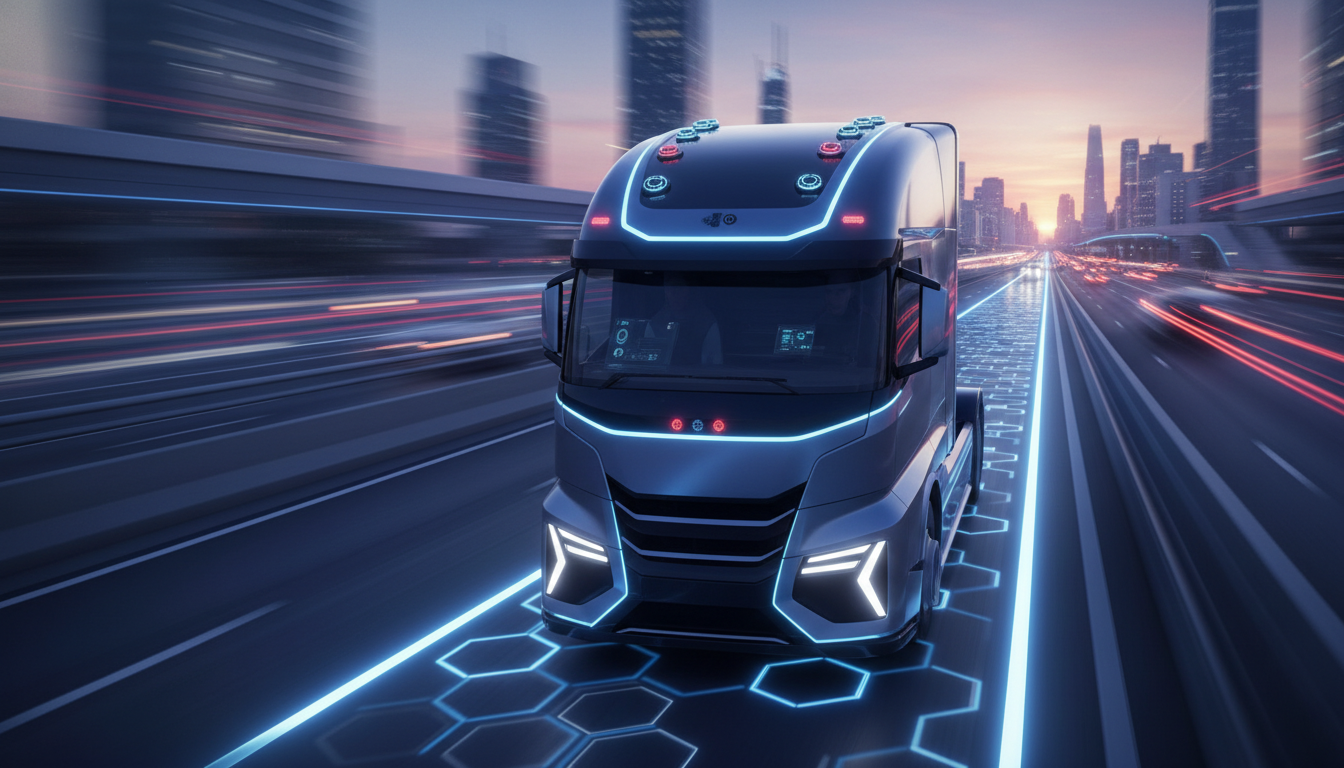
Business Benefits of Digital Freight
Adopting these digital tools translates directly to the bottom line. For shippers and carriers operating in 2026, the efficiency gains are measurable.
- Reduced Operational Costs: AI reduces empty miles and fuel usage, while IoT prevents cargo loss.
- Improved Customer Satisfaction: Customers demand transparency. Providing a real-time tracking link with accurate ETAs improves the client experience significantly.
- Sustainability: Optimized routes mean fewer emissions. Digital transformation is a key enabler for companies striving to meet their 2026 carbon reduction targets.
Looking Ahead
The digital transformation in road freight is a continuous journey. As we move further into 2026, the synergy between AI and IoT will only deepen, paving the way for autonomous convoys and smart warehousing integration. Businesses that embrace these technologies today are securing their supply chains for the future.