By 2026, the global logistics landscape has shifted from tentative digitization to full-scale automated integration. The road transport industry, long considered the backbone of domestic supply chains, is undergoing a radical metamorphosis. Driven by distinct infrastructure upgrades and the absolute necessity of multimodal connectivity, fleet operators and logistics managers are navigating a market that looks vastly different from just a few years ago.
As global demand for faster, more transparent delivery surges, the definition of “efficiency” has evolved. Here is an in-depth look at the key market trends reshaping road transport in 2026.
1. The Rise of Smart Infrastructure and Green Corridors
In 2026, the focus has moved beyond merely upgrading vehicles to upgrading the roads they travel on. Governments and private consortiums have accelerated the development of "smart highways" designed to communicate directly with freight vehicles. This Vehicle-to-Infrastructure (V2I) connectivity allows for real-time data exchange regarding traffic flow, road conditions, and hazard warnings, significantly reducing accident rates and congestion delays.
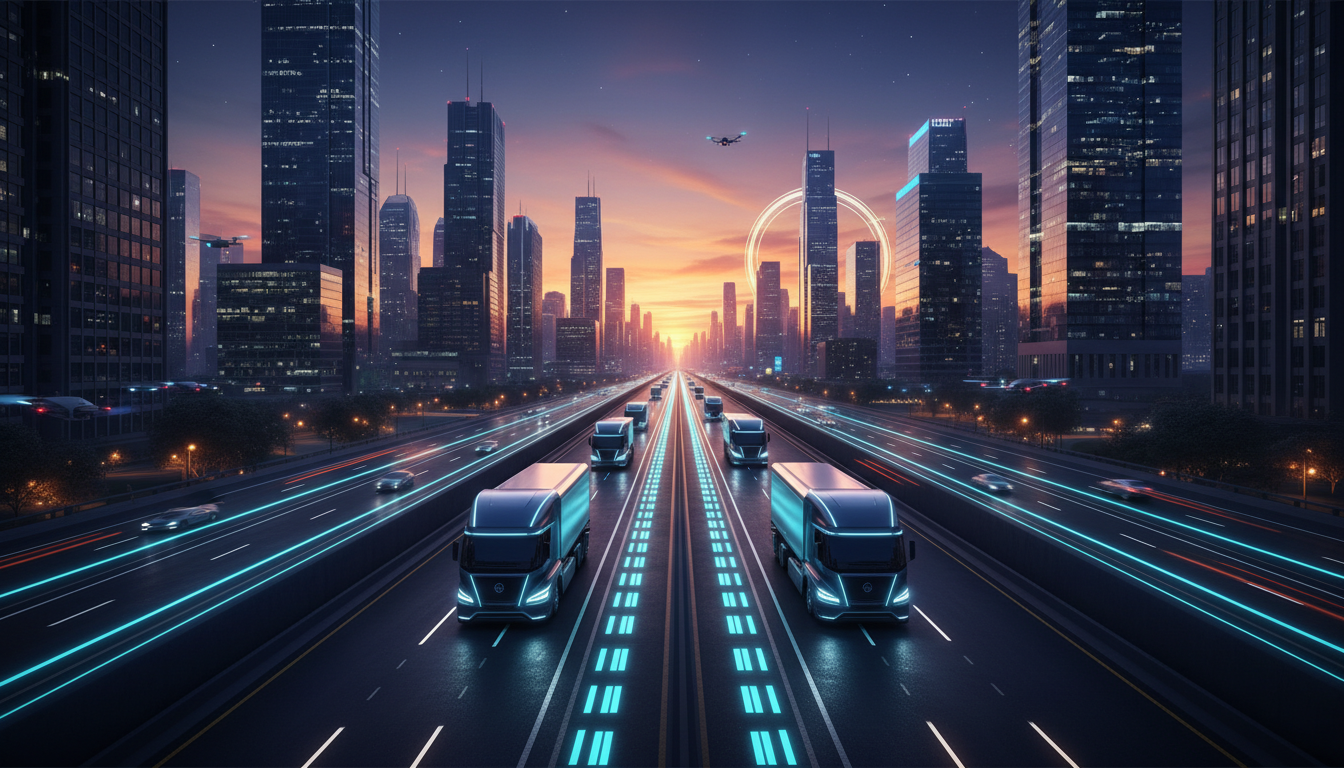
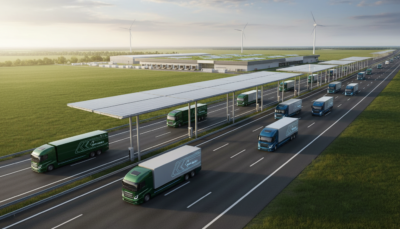
Furthermore, the establishment of designated "Green Corridors" across major economic zones has become a defining feature of 2026. These are specific routes equipped with high-speed charging stations for electric heavy-goods vehicles (HGVs) and hydrogen refueling points. These corridors prioritize sustainable fleets, offering toll incentives and bypass lanes to encourage the transition away from fossil fuels.
Autonomous Platooning Lanes
One of the most significant infrastructure shifts is the allocation of specific lanes for autonomous truck platooning. In 2026, semi-autonomous convoys—where a lead truck controls the speed and braking of several following trucks—are a common sight on intercontinental highways. This infrastructure upgrade maximizes fuel efficiency through aerodynamics and reduces driver fatigue, addressing the lingering labor shortages in the sector.
2. Seamless Multimodal Integration
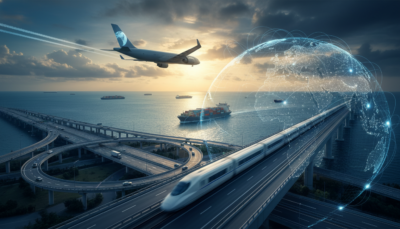
The siloed approach to transport is obsolete. In 2026, road transport is no longer viewed as a standalone service but as the critical connective tissue in a fluid multimodal ecosystem. The friction that once existed between road, rail, air, and sea freight is being eroded by unified data platforms and physical infrastructure improvements.
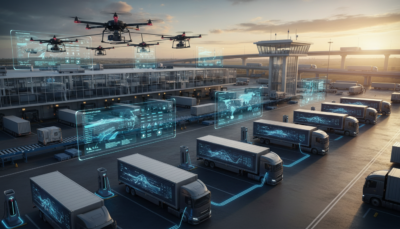
Logistics hubs have evolved into "Synchromodal Terminals." These facilities use AI to predict the best mode of transport in real-time based on current traffic, weather, and cost variables. If a road route becomes blocked, the system automatically re-routes cargo to a rail link without human intervention, ensuring delivery windows are met despite disruptions.
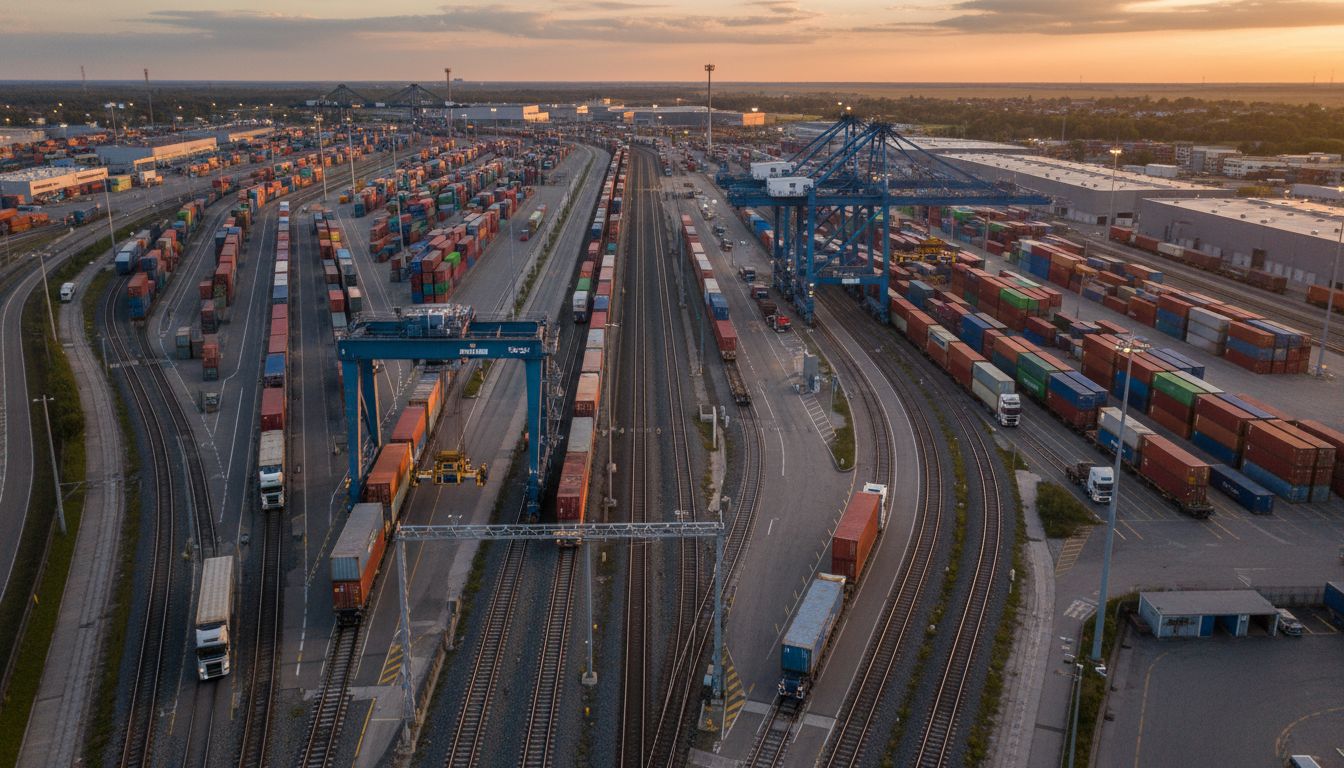
This integration is vital for meeting global demand, as e-commerce consumers in 2026 expect near-instant gratification regardless of where the product originates. The road transport sector has adapted by specializing in the "first and last mile" precision required to link massive rail and sea depots to the end customer.
3. Data-Driven Visibility and Predictive Maintenance
While infrastructure and integration provide the hardware for 2026, data remains the software driving the industry. The Internet of Things (IoT) has reached maturity in the road transport sector. Every pallet, container, and vehicle component is now trackable in real-time.
For fleet managers, this means the end of reactive maintenance. Predictive analytics now dictate when a truck needs servicing before a breakdown occurs, optimizing uptime. Moreover, visibility platforms allow shippers to see not just where their goods are, but the condition they are in (temperature, humidity, shock) as they move between road and other transport modes.
Preparing for the Future of Logistics
The trends of 2026 highlight a clear trajectory: the road transport industry is becoming smarter, cleaner, and more integrated. For businesses to thrive in this environment, agility is key. Embracing smart infrastructure capabilities and forging strong multimodal partnerships will be the differentiator between stagnation and growth in the high-velocity market of the future.