By 2026, the logistics landscape has shifted dramatically. What was once considered a niche marketing angle—sustainable trucking—has now become an operational necessity. With environmental regulations tightening globally and corporate ESG (Environmental, Social, and Governance) goals taking center stage, the road transport sector is undergoing a rapid transformation. Logistics providers are no longer just moving goods; they are engineering carbon-neutral supply chains.
This shift is driven by a convergence of policy pressure, technological maturity, and consumer demand. As businesses scramble to reduce Scope 3 emissions, green road transport services have evolved from a premium option to the industry standard.
The Regulatory Tipping Point of 2026
The implementation of stricter emission standards this year has forced a reassessment of traditional diesel fleets. Governments are offering substantial incentives for zero-emission vehicles (ZEVs) while imposing heavier levies on high-carbon transport. For logistics managers, the math has changed: the total cost of ownership (TCO) for green fleets is rapidly reaching parity with, or surpassing, internal combustion engines.
Compliance is no longer just about avoiding fines; it is about securing contracts. Major multinational corporations now mandate green logistics partners as part of their net-zero commitments, effectively barring non-compliant carriers from top-tier supply chains.
Electrification and the Heavy-Duty Fleet
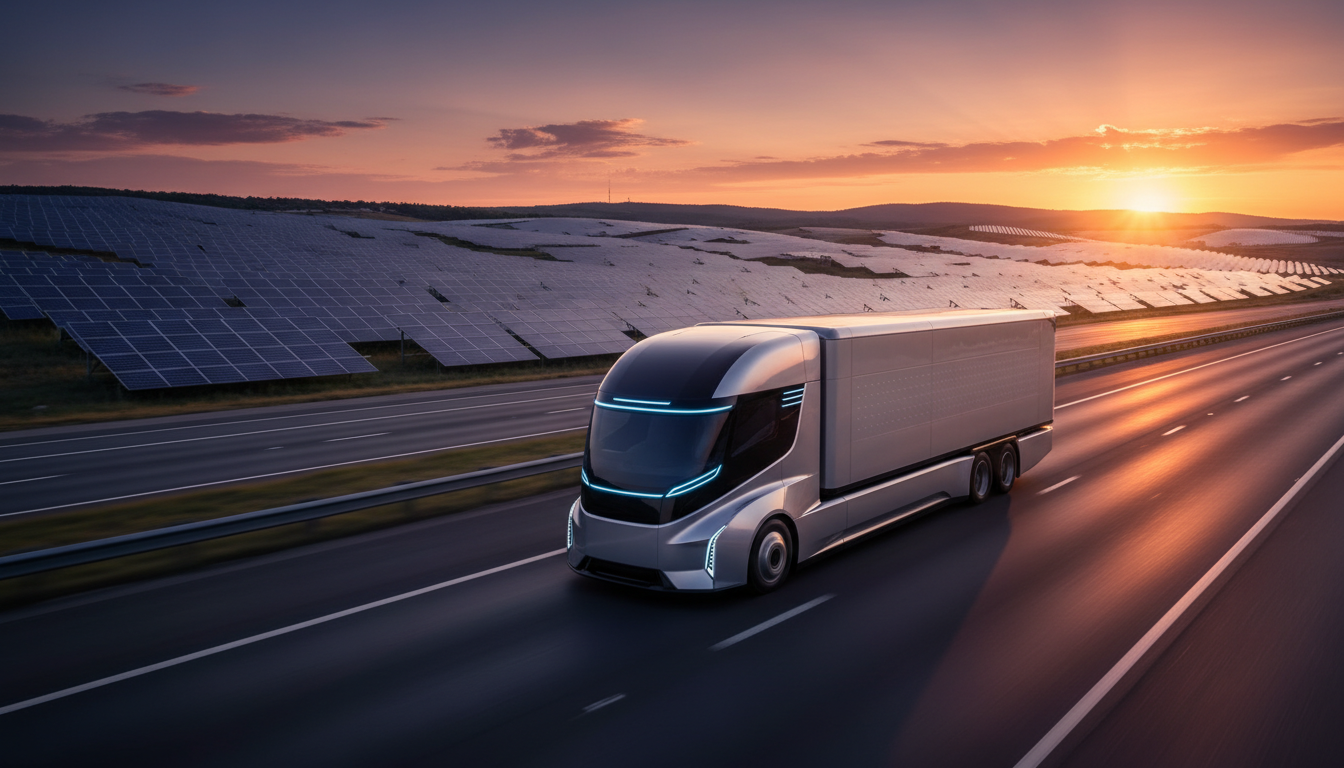
The most visible change in 2026 is the proliferation of electric trucks. Improvements in battery density and the expansion of megawatt charging infrastructure have made electric semi-trucks viable for long-haul routes, not just last-mile delivery. Fleet operators are aggressively replacing aging diesel units with battery-electric vehicles (BEVs) to minimize their carbon footprint.
Overcoming Range Anxiety
Technological advancements in solid-state batteries have extended the range of heavy-duty trucks, alleviating the “range anxiety” that previously hindered adoption. Strategic partnerships between logistics firms and energy providers have created “green corridors”—major highway routes equipped with ultra-fast charging stations powered by renewable energy.
Beyond Electrification: Technology and Efficiency
While electrification is the headline, sustainable trucking in 2026 involves a holistic approach to efficiency. Green road transport services are leveraging advanced technologies to squeeze every ounce of efficiency out of their operations.
AI-Driven Route Optimization
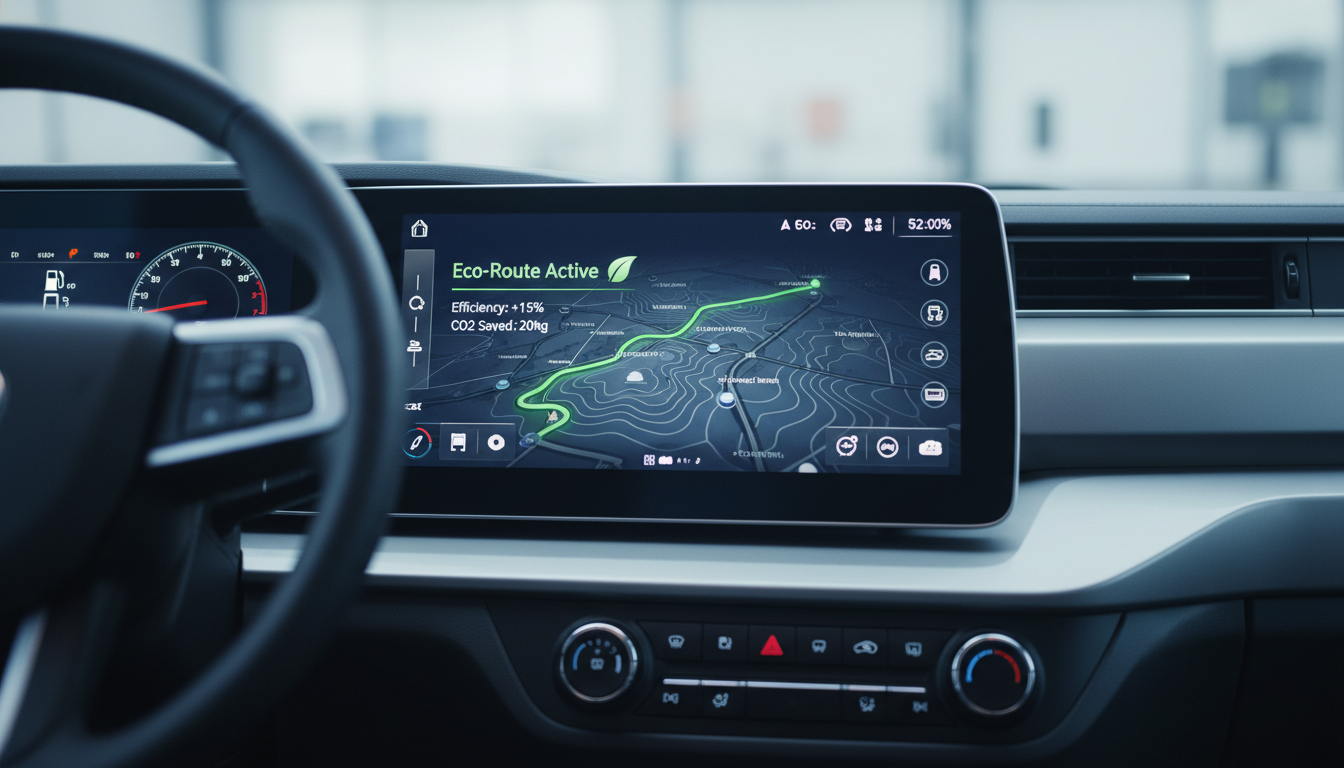
Artificial Intelligence plays a critical role in modern fleet management. Sophisticated algorithms analyze traffic patterns, weather conditions, and cargo weight to calculate the most fuel-efficient routes in real-time. This reduces idling time, prevents empty miles (deadheading), and ensures that energy consumption is kept to an absolute minimum.
Aerodynamics and Alternative Fuels
For routes where electrification is not yet feasible, the industry is turning to alternative fuels such as green hydrogen and renewable diesel. Furthermore, trailer designs have become significantly more aerodynamic. Side skirts, tail boat tails, and gap fairings are now standard equipment, reducing drag and improving energy efficiency by double-digit percentages.
The Business Case for Green Logistics
The narrative that sustainability costs more has been debunked. In 2026, sustainable trucking is synonymous with efficient trucking. Reduced fuel consumption, lower maintenance costs associated with electric drivetrains, and tax incentives contribute to a healthier bottom line.
Moreover, the brand reputation benefits are immense. Companies that utilize green road transport services can transparently market their products as sustainable, appealing to the eco-conscious consumer base that dominates the market today.
Conclusion
The rise of green road transport services marks a new era for the trucking industry. As we move deeper into 2026, the integration of electric fleets, AI optimization, and strict adherence to ESG criteria defines the leaders in logistics. Sustainable trucking is no longer the future—it is the present, driving the global economy forward while keeping the planet in mind.